
ICSE Class 9: Cell chapter 2 Question set – The Unit of Life (Comprehensive Guide) unlock

icse class 9 biology Chapter 2 Cell
Explore detailed ICSE Class 9 notes on “Cell – The Unit of Life” with solved questions, MCQs, and explanations. Understand cell structure, functions, and essential concepts.
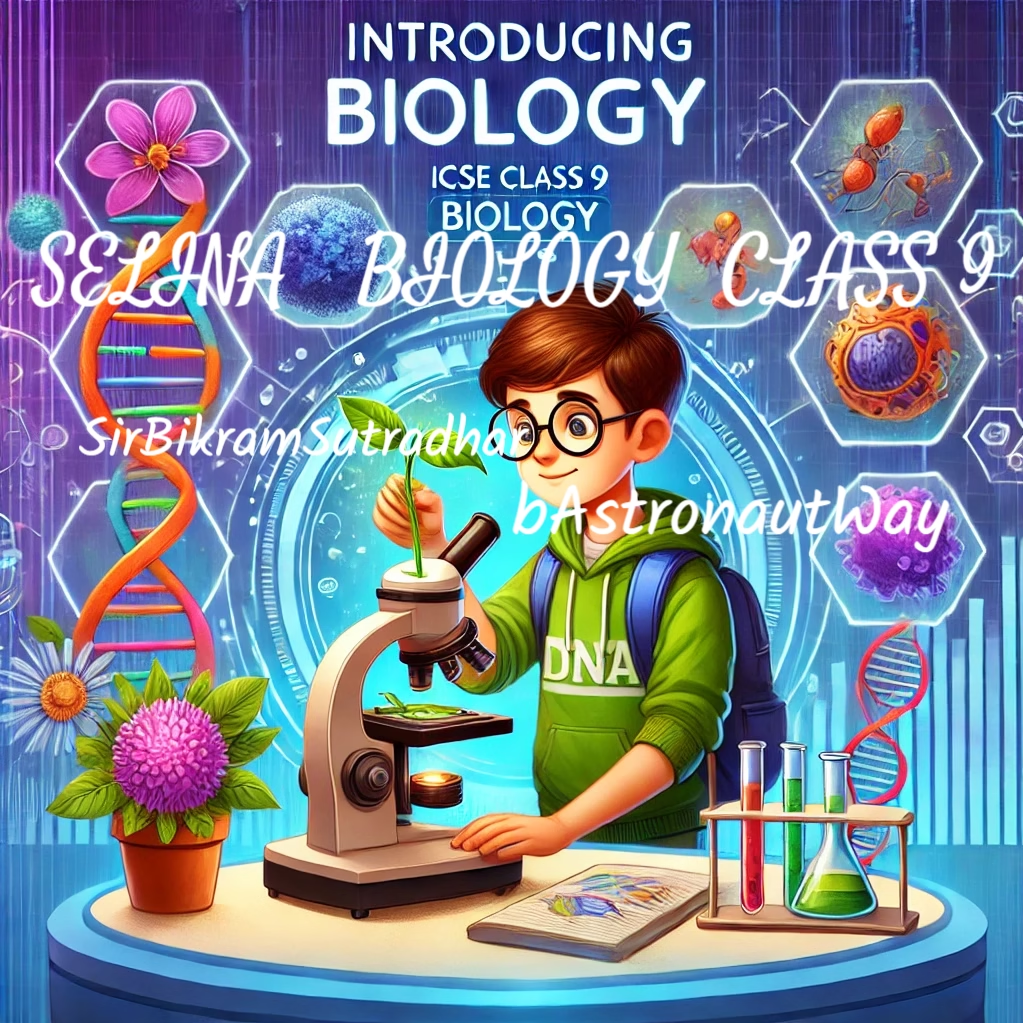
ICSE Class 9: chapter 2 Question set Cell – The Unit of Life
Answer the Following
Question 1
- Which type of microscope operates using a single convex lens?
- A simple microscope operates using a single convex lens.
- What kind of mirror did Hooke use in his microscope for specimen illumination?
- Hooke used a concave mirror to illuminate specimens.
Question 2
- Indicate the maximum magnification possible with a compound microscope.
- A compound microscope can magnify up to 1000 times.
- Indicate the maximum magnification possible with an electron microscope.
- An electron microscope can magnify up to 1,000,000 times.
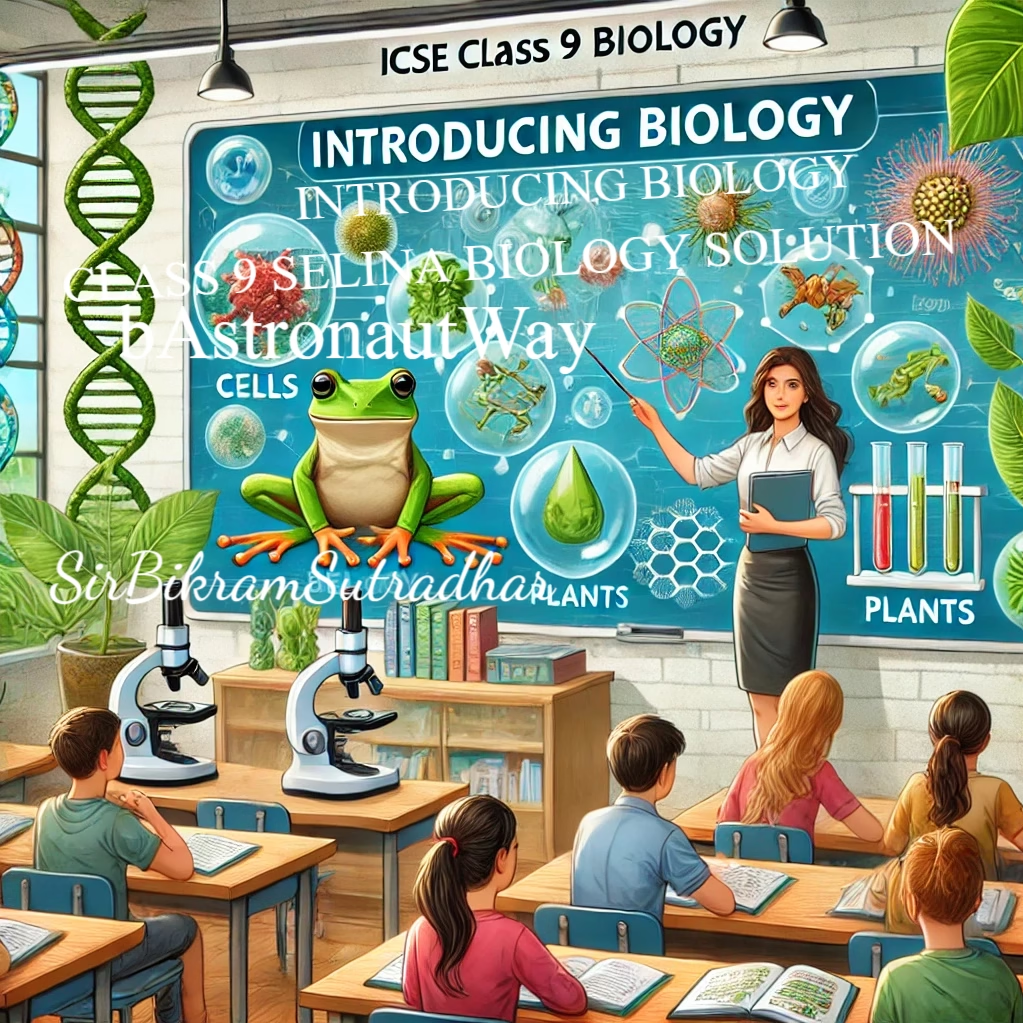
Provide Answers to the Following
Question 1
- Mention two organisms consisting of a single cell.
- Amoeba and Paramecium.
- Which animal cells are recognized as the longest?
- Nerve cells.
- Which cells in the human body can change shape like an amoeba?
- White blood cells (WBCs).
- What is the structural form of white blood cells?
- Irregular.
Question 2
- Cells with a larger surface area-to-volume ratio enhance diffusion. Name the substances that benefit from this feature.
- Oxygen, carbon dioxide, and nutrients.
Identify Cellular Parts
Question 1
- Diverse chemical reactions occur with enzyme involvement: Cytoplasm.
- Chromatin fibers establish a network: Nucleus.
- The main structural component is cellulose: Cell wall.
Question 2
- Distinguish between an organ and an organelle.
- An organ is a structure performing a specific function in the body, whereas an organelle is a specialized structure within a cell performing specific cellular functions.
- Distinguish between plant and animal cells, highlighting the presence of plastids.
- Plant cells have plastids, animal cells do not.
Question 3
- Recognize the organelles responsible for:
- Enzyme production: Ribosomes.
- Solar energy absorption: Chloroplasts.
- Protein manufacturing: Ribosomes.
- Digestion within the cell: Lysosomes.
- Energy production (ATP): Mitochondria.
Question 4
- Composition of cellulose: Cell wall.
- An irregular double membrane network: Endoplasmic Reticulum (ER).
- Presence of a clear aqueous solution: Cytoplasm.
- Visibility during cell division: Chromosomes.
Question 5 (True/False)
- Prokaryotic cells possess larger ribosomes. – False. (They have smaller ribosomes.)
- Mitochondria are present in eukaryotic cells. – True.
- Amoeba belongs to prokaryotic organisms. – False. (It is eukaryotic.)
- Nuclear membranes are present in bacteria. – False. (Bacteria are prokaryotic and lack nuclear membranes.)
Match the Following

📘 Becoming an Astronaut in India (ISRO) – A Complete Guide After Class 12
📘 Becoming an Astronaut in India (ISRO) – A Complete Guide After Class 12 ✍️ Author: GrandMaster Bikram Sutradhar🏛️ Institute: bAstronautWay🚀 5-Time World Record Holder | Best Teacher Awardee 2023 🌠 Dreaming of Space? Here’s How to Become an Astronaut with ISRO With India’s Gaganyaan mission, ISRO is preparing to send Indian astronauts (Vyomanauts) into…

Top 20 Shubh Tracks You MUST Watch on @SHUBHWORLDWIDE 🎧
Top 20 Shubh Tracks You MUST Watch on @SHUBHWORLDWIDE 🎧 📝 Top 20 Shubh Tracks Shubh Tracks Explore the must-hear songs by Punjabi‑Canadian rapper Shubh on his official @SHUBHWORLDWIDE YouTube channel—from “We Rollin” to “Supreme.” View videos, discover behind‑the‑beat facts, and stream the complete playlist here! 🌟 Welcome to the ultimate Shubh experience! Dive into the…

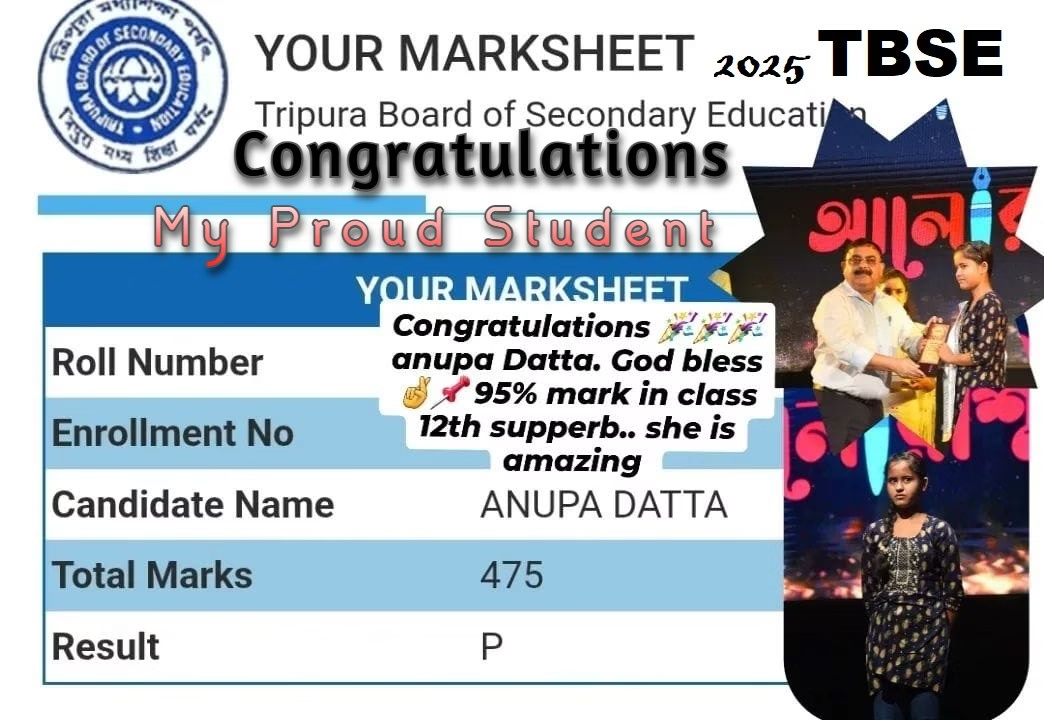
🌟🎉 Anupa Datta Shines Again with 475 Marks in TBSE Class 12 Science 2025 – A True Inspiration! Tbse Board Result 2025 🎉🌟
📅 Published on: April 30, 2025📍 Agartala, Tripura In a world where challenges often dim the brightest lights, Anupa Datta has once again proven that no obstacle is too great when the heart is determined 💪🔥. 🎓 Scoring an incredible 475 out of 500 in the TBSE Class 12 Science Stream 2025, Anupa’s name is…

🚀 bAstronautWay – Your Ultimate Learning Destination! 🎓✨
TBSE CBSE Undergraduate and Postgraduate Entrance Exams 📍 Our Locations: 9863002294 / 7005561197 📚 Courses Offered: ✅ School-Level Coaching (CBSE / TBSE) ✅ School-Level Coaching (ICSE) 🌟 Exclusive Math Training by a World Record Holder! ✅ College-Level Coaching 🎯 Competitive Exam Coaching 🔥 JEE Main & Advanced | TBJEE | NEET | DEEET | CUET…

Car Loan EMI Calculator
🚗 SMART CAR LOAN GUIDE Car Loan EMI Calculator Calculate your monthly EMI, total interest, total repayment and complete loan schedule — before you sign the loan agreement. 🧮 CALCULATE MY EMI ⚠️ SEE HIDDEN COSTS 💡 20/4/10 RULE 🚨 Before you buy the car, calculate the loan. A car may look affordable because the…
How to Become Rich & Successful: Build Skills, Income, Assets & Freedom
💰 THE WEALTH-BUILDING PLAYBOOK How to Become Rich & Successful: Build Skills, Income, Assets & Freedom You don’t need to become rich overnight. You need a system that makes you stronger, more valuable and financially smarter year after year. 🚀 START THE ROADMAP 📊 CALCULATE YOUR WEALTH 🔥 TAKE THE 30-DAY CHALLENGE ⚡ Stop asking…

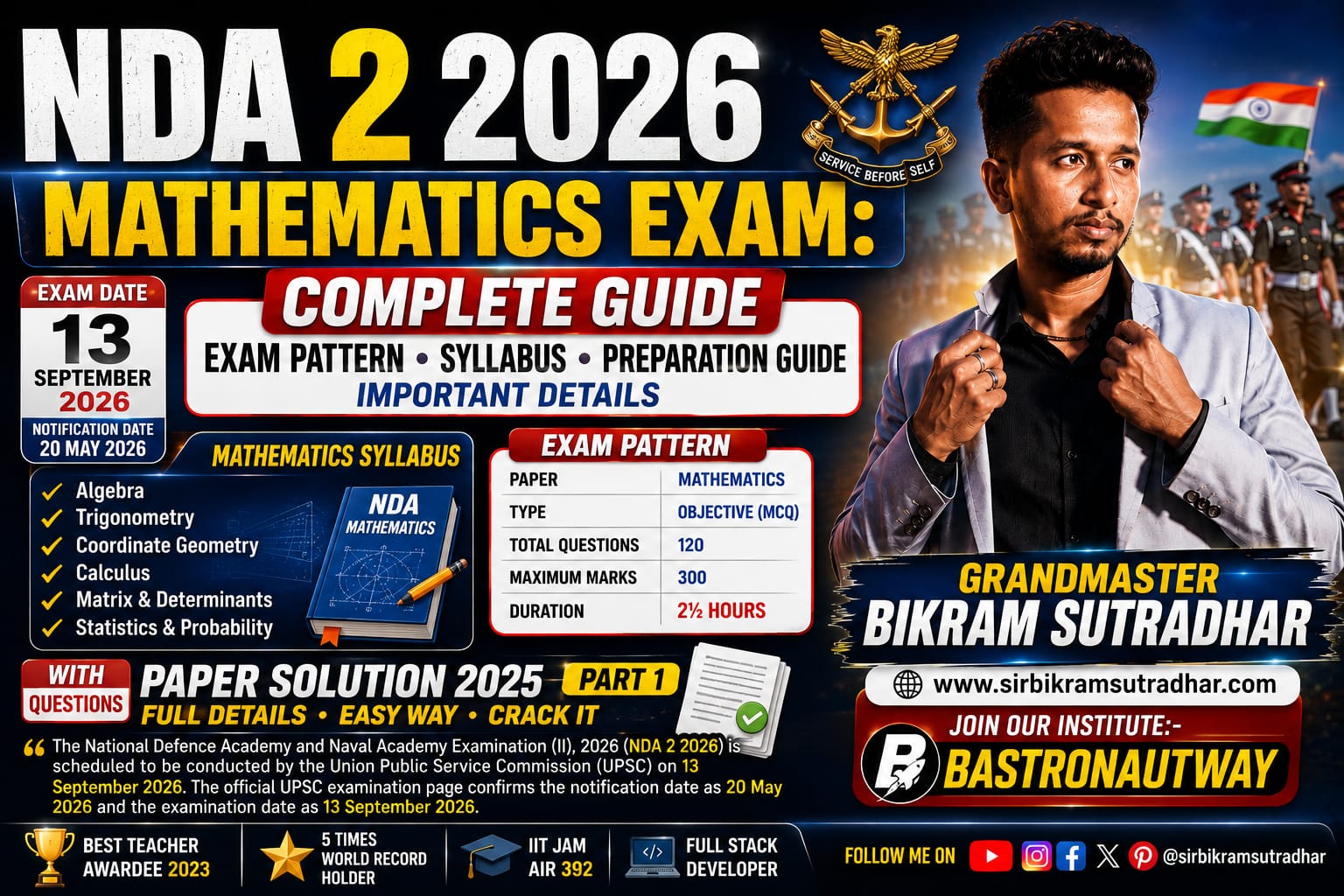
🔥LIVE STUDENT UPDATE NDA 2 2026 Question Papers & Answer Keys LATEST UPDATE
🔥 NDA 2 2026 • LATEST UPDATE LIVE STUDENT UPDATE NDA 2 2026 Question Papers & Answer Keys All Sets A, B, C & D • Mathematics + GAT • Question Paper Updates • Answer Key • Score Calculator 🚀 CHECK QUESTION PAPERS 📘 CHECK ANSWER KEYS 🧮 CALCULATE YOUR SCORE 📢 Important Update: The…



- Match activities in Column I with corresponding cellular activities in Column II.
Identify Essential Cell Organelles
- The nucleus is crucial for cell survival.
Lifecycle and Functions
- Lifecycle and death of cells: Cells undergo a lifecycle including division, growth, and death. For example, skin cells regenerate continuously.
- Excretion of waste by cells: Cells expel waste through the plasma membrane. Example: carbon dioxide from respiration.
- Nutrient requirements of cells: Cells require nutrients for energy and growth, like glucose for cellular respiration.
Multiple Choice Type Questions (MCQs)
- Life originates from:
- (b) A single cell.
- What is common between a mango plant and a monkey?
- (d) Cell membrane.
- Identify the correct pair of organelle and function:
- (a) Ribosomes — Protein synthesis.
- How can one differentiate a plant cell from an animal cell?
- (a) Lack of centrosome.
- The main component of the plant cell wall is:
- (c) Cellulose.
- Which organelle is involved in cellular respiration?
- (a) Mitochondria.
Very Short Answer Type Questions
- Cell parts responsible for:
- Releasing energy: Mitochondria.
- Producing proteins: Ribosomes.
- Transferring hereditary information: Nucleus.
- Starting cell division: Centrosome.
- Performing hydrolytic functions: Lysosomes.
- Allowing selective substance entry: Plasma membrane.
True/False
- All animal cells have a cell wall. – False.
- Cell walls are composed of protein. – False.
- Centrosomes are present in animal cells. – True.
- Large vacuoles are characteristic of plant cells. – True.
- Protoplasm surrounds the nucleus. – True.
- Genes are part of chromosomes. – True.
- Anthocyanin pigments are present in cell sap. – True.
Additional Questions
- How many chromosome pairs are there in human cells? – 23 pairs.
- Name the chemical substance that makes up genes. – DNA.
- Match items from Column A with Column B.
- Fill in the blanks with suitable terms.
- Write the full forms for abbreviations: DNA, RNA, ATP, SER, RER.
- Identify plastids and pigments in plant parts.
Short Answer Type Questions
- Define: Cell organelles, cell inclusions, cytosol, cell sap, cytoplasm.
- Locations of: Centrosome, chromosome, genes, mesosome, plasmid.
- Three exclusive features of plant cells and one of animal cells.
- Why are cells generally small in size?
- Why is chemical analysis of protoplasm challenging?
- Difference between organ and organelle.
- Are elephant cells larger than rat cells? Explain.
Descriptive Answer Type Questions
- Define cell theory and its proponents.
- Differences between protoplasm and cytoplasm, nucleolus and nucleus, etc.
- Explain functions of plasma membrane, ribosome, lysosome, etc.
- State differences between living cells and bricks.
- List common characteristics of plant and animal cells.
Structured/Application/Skill Type Questions
- Given two cell sketches:
- Identify plant and animal cells.
- Mention common structures.
- Specify unique structures for each.
Article Written By
Full Stack Developer and 5-Time World Record Holder, Grandmaster Bikram Sutradhar
bAstronautWay: A Government-Approved Trademark Brand
SirBikramSutradhar on YouTube
SirBikramSutradhar is also a Government-Approved Trademark Brand.